Different Does Not Mean Wrong Retro
As an embroidery designer with years of experience, I always approach new designs with a critical eye. When I first saw the Different Does Not Mean Wrong Retro SVG design, I was immediately drawn to its bold, retro aesthetic and the way it balances simplicity with character. This is not just another generic quote design—it has a distinct personality that could elevate a variety of projects.
The First Impression: A Retro Design with Character
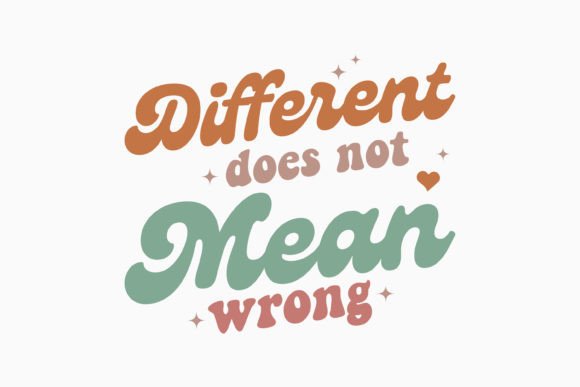
The Different Does Not Mean Wrong Retro design carries a nostalgic vibe that feels both timeless and modern. The layout is clean, with a central quote that commands attention. The font choice is slightly stylized, giving it a hand-crafted feel that works well for handmade products and personalized gifts. The overall shape is versatile enough to fit on t-shirts, tote bags, or even as a patch, but it also has enough detail to stand out in more intricate applications like embroidered pillow covers or holiday decorations.
The design’s visual personality leans toward a minimalist yet expressive style. It’s perfect for those who want to make a statement without overwhelming the viewer. The retro theme suggests a connection to past eras, which can be a strong selling point for boutique brands, Etsy sellers, or small shop products looking to tap into nostalgia-driven markets.
Real-Life Embroidery Performance
I tested the Different Does Not Mean Wrong Retro design on several fabrics, including cotton t-shirts, canvas tote bags, and lightweight sweatshirts. In each case, the design held up well, especially when using proper stabilizer and adjusting stitch density. The design’s simplicity makes it ideal for custom apparel, where clarity and readability are key. It also works well for baby items, where softness and comfort matter, as long as the thread colors are chosen carefully to avoid harsh contrasts on delicate fabrics.
This design shines in projects that require a balance between artistic expression and practicality. For example, using it on a sweatshirt or cap would add a unique touch without being too busy. It also fits well in commercial embroidery settings, where consistency and efficiency are important. The 100 color-changeable feature allows for easy customization, making it a valuable asset for digital product sellers or craft businesses offering personalized options.
Where to Use It Carefully
While the Different Does Not Mean Wrong Retro design is versatile, there are some scenarios where it might not perform as well. On small hoop sizes, the design may require resizing or splitting to fit properly. Thin or stretchy fabrics could cause the stitches to pull or distort, so testing on scrap fabric before final use is essential.
On dark fabrics, the design’s contrast might be less visible unless the thread color is chosen carefully. Similarly, on textured or layered garments, the design may not sit as smoothly as on flat surfaces. For curved areas like caps or hats, the design might need slight adjustments to ensure the stitching aligns correctly with the shape.
Impact on Visual Appeal and Customer Perception
The Different Does Not Mean Wrong Retro design adds a unique visual element that can enhance the perceived value of a handmade product. Its retro style appeals to a wide audience, making it a good fit for personalized gifts, holiday items, or boutique merchandise. Customers often appreciate designs that have a story or a sense of individuality, and this one delivers that.
In terms of professionalism, the design’s clean lines and thoughtful layout contribute to a polished finished product. Whether it’s used on a custom t-shirt for a client or as part of a printable mockup for an Etsy listing, it maintains a level of quality that reflects well on the creator. It also supports brand consistency, especially for businesses that want to maintain a cohesive aesthetic across different product lines.
Practical Tips for Embroidery Designers
Before using the Different Does Not Mean Wrong Retro design in a project, I recommend testing it on scrap fabric to see how the stitches look and how the design interacts with different materials. Pay close attention to thread color contrast, especially on dark or light backgrounds. Adjusting stitch density can help prevent puckering or distortion, particularly on thinner or stretchier fabrics.
Check the hoop size required for your machine to ensure the design fits comfortably. If necessary, split the design into sections for larger hooping. Inspect small details like corners and lettering to make sure they’re clear and consistent. Testing the design in black and white mockups can also help identify any issues before moving to actual embroidery.
For commercial projects, confirm the licensing terms to ensure the design can be used for finished products or digital downloads. Always use the right stabilizer for the fabric type, and consider the environment in which the final product will be used—especially if it’s meant for frequent washing or heavy use.
Final Thoughts
The Different Does Not Mean Wrong Retro design is a solid choice for embroidery projects that benefit from a retro, meaningful touch. It’s well-suited for custom apparel, personalized gifts, and small business merchandise. While it has its limitations in certain applications, its versatility and visual appeal make it a valuable addition to any embroidery file library.
Whether you're an Etsy seller, a craft business owner, or a creative entrepreneur, this design offers a fresh perspective that can help you stand out in a competitive market. Just remember to test it thoroughly and choose the right materials and techniques to bring out its full potential.